Home cooling emergency help
Home AC Not Working? Start With the Symptom.
Safety-first guidance for central air conditioners, heat pumps, and mini-splits. Make the easy checks first, recognize warning signs, and know what information will speed up a professional repair.
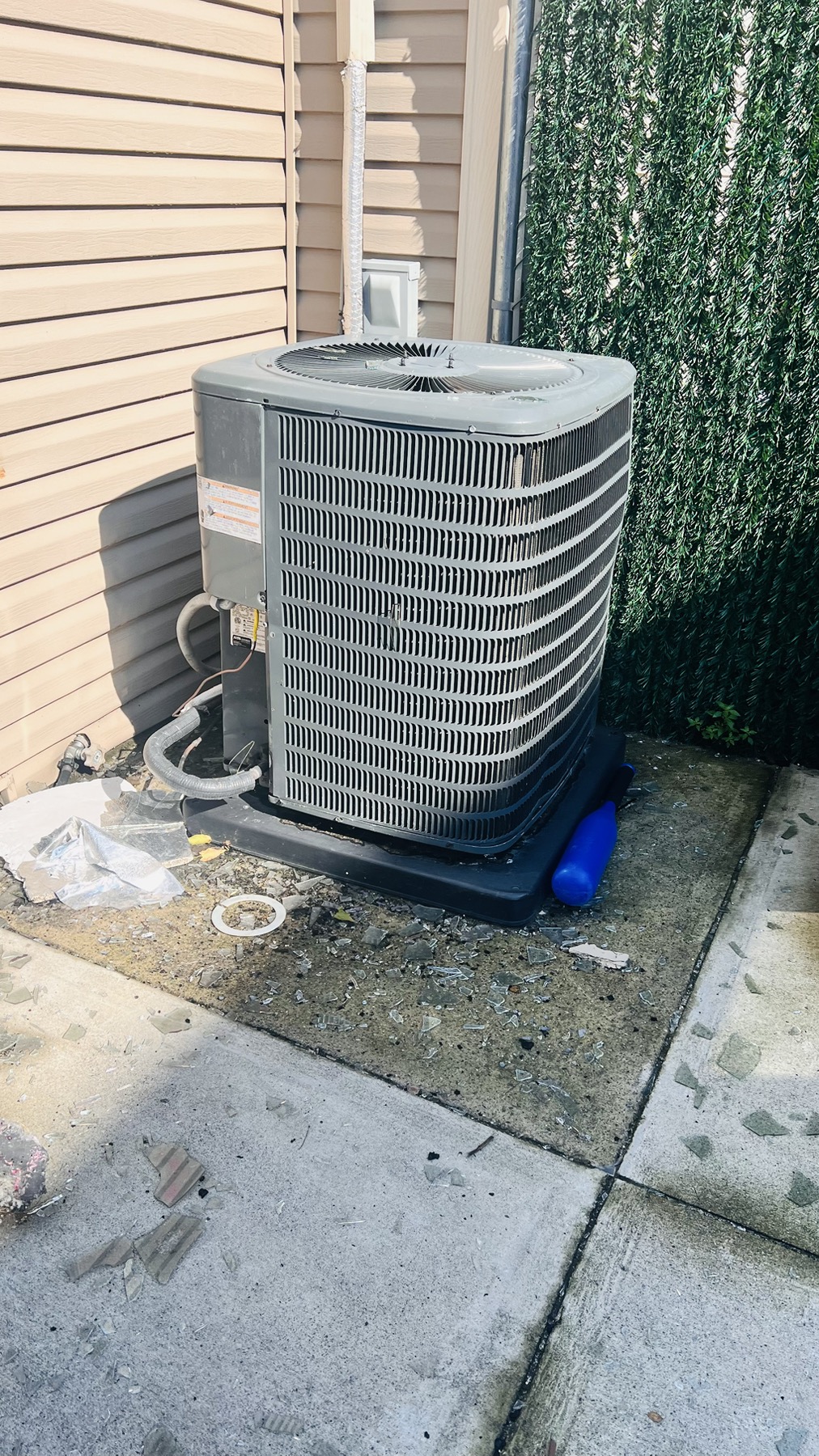
Start by symptom
What changed?
Do not begin by guessing a failed part. Choose the closest symptom and record what still works, when the problem started, and whether it comes and goes.
Not cooling
The system runs but supply air is not cold, rooms stay warm, or cooling fades during the hottest part of the day.
Outdoor unit stopped
The indoor blower may run while the outdoor fan and compressor remain off, cycle briefly, or make unusual sounds.
Frozen or weak airflow
Ice appears on tubing or the indoor coil, airflow drops, vents are weak, or filters become wet.
Water leak
Water appears near the indoor unit, drain line, ceiling, or condensate pump.
Short cycling
The system starts and stops repeatedly without reaching the thermostat setting.
One area stays hot
The system cools some rooms but not others, suggesting airflow, duct, zoning, or load problems.
Safe first checks
What you can check before opening equipment
These checks are designed to improve the diagnosis without touching refrigerant circuits, combustion components, high voltage, or moving machinery.
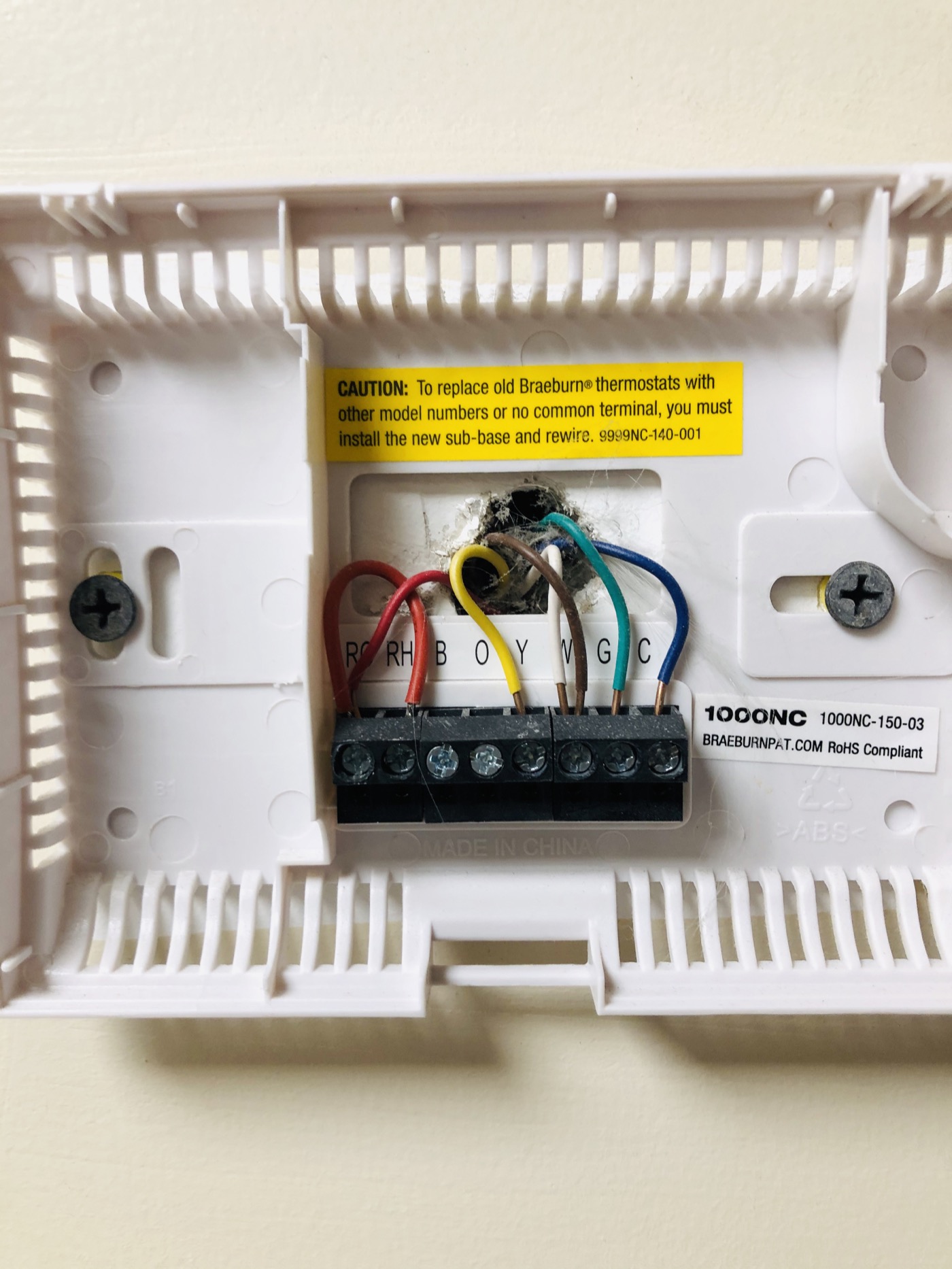
Confirm COOL mode, a sensible setpoint, correct schedule, and fresh batteries when applicable.
Inspect accessible filters and make sure supply and return grilles are open and unobstructed.
Check whether the thermostat, indoor blower, and outdoor unit show signs of power. Reset only an accessible tripped breaker once.
Do not chip ice. Turn cooling off if the coil is frozen and note where water is appearing.
Look for blocked airflow, severe debris, storm damage, or an outdoor disconnect that appears disturbed.
Note what starts first, how long it runs, sounds, odors, displayed codes, and the outdoor temperature.
Stop and call a professional when
- You smell burning, see smoke or arcing, or a breaker trips again.
- Wiring is damaged, panels are unsafe, or water is near electrical equipment.
- The refrigerant circuit must be opened, charged, recovered, or leak-tested with regulated equipment.
- A fan, compressor, capacitor, or high-voltage compartment must be accessed and you are not trained for it.
Better diagnosis
Information worth collecting
Photograph the thermostat display, equipment model number, any fault code, filter condition, visible ice or water, and the exact indoor and outdoor symptoms. Note the time, weather, and how long the system runs.
The goal is not to prove a part has failed from one clue. It is to give the next person—yourself or a technician—a clear operating picture.
Educational guidance only. Work allowed for homeowners and vehicle owners varies by location. When conditions are unsafe or unclear, stop and use a qualified professional.