Emergency cooling & heating guidance
When Cooling or Heating Fails, Know What to Do Next.
Practical, safety-first troubleshooting for home air conditioning, home heating, and automotive climate control. Identify the symptom, make safe first checks, and choose the fastest responsible next step.
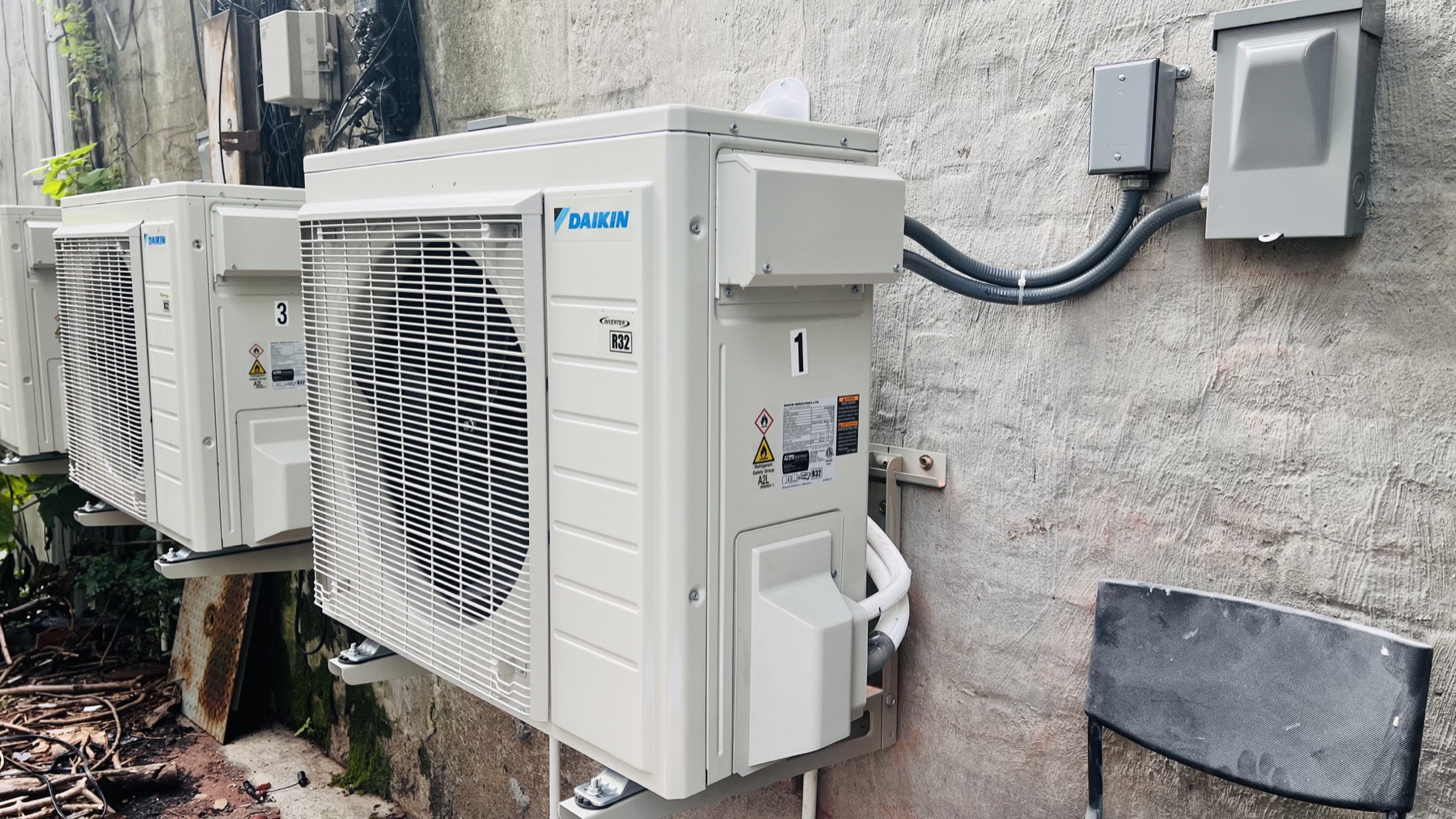
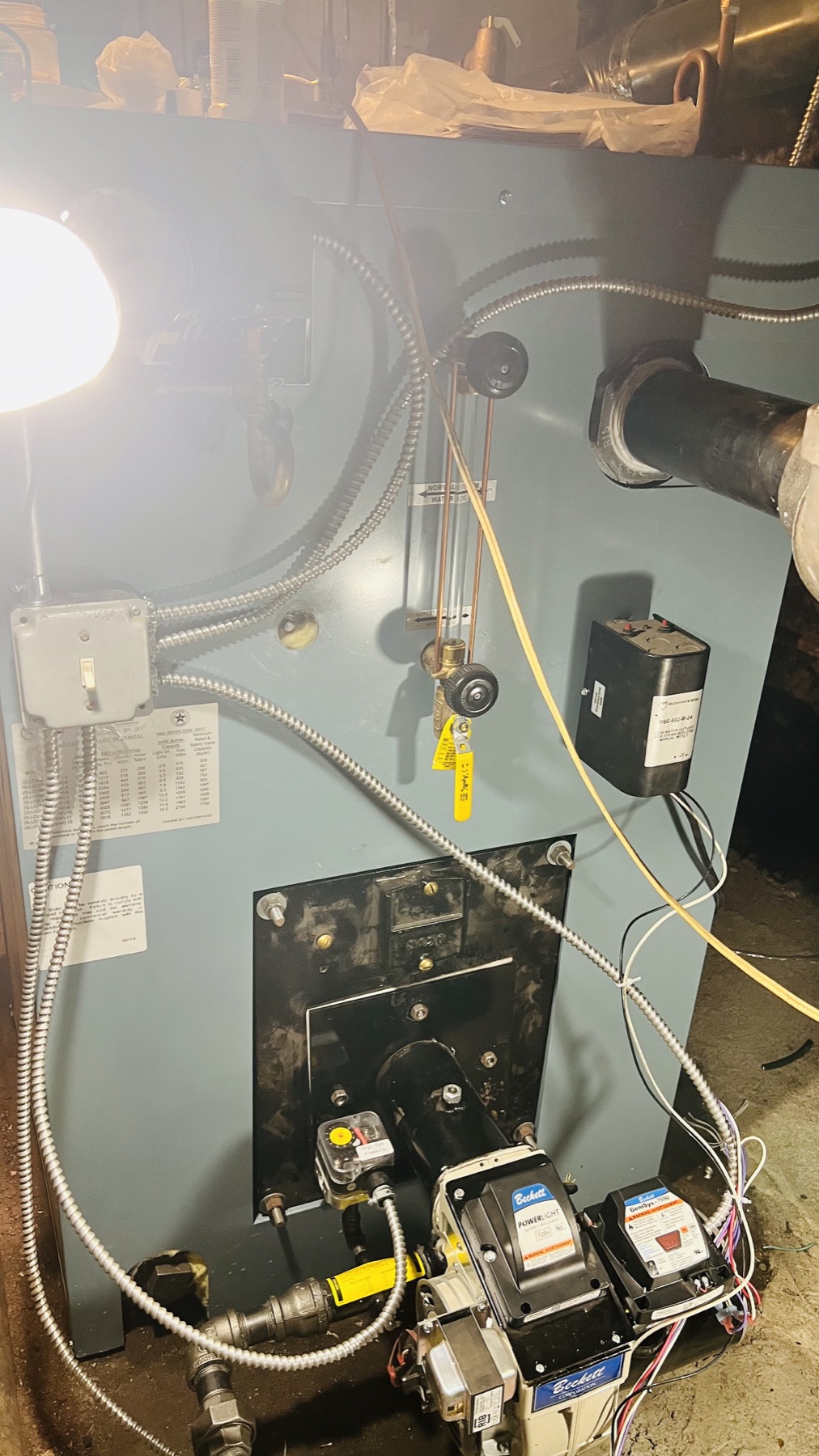
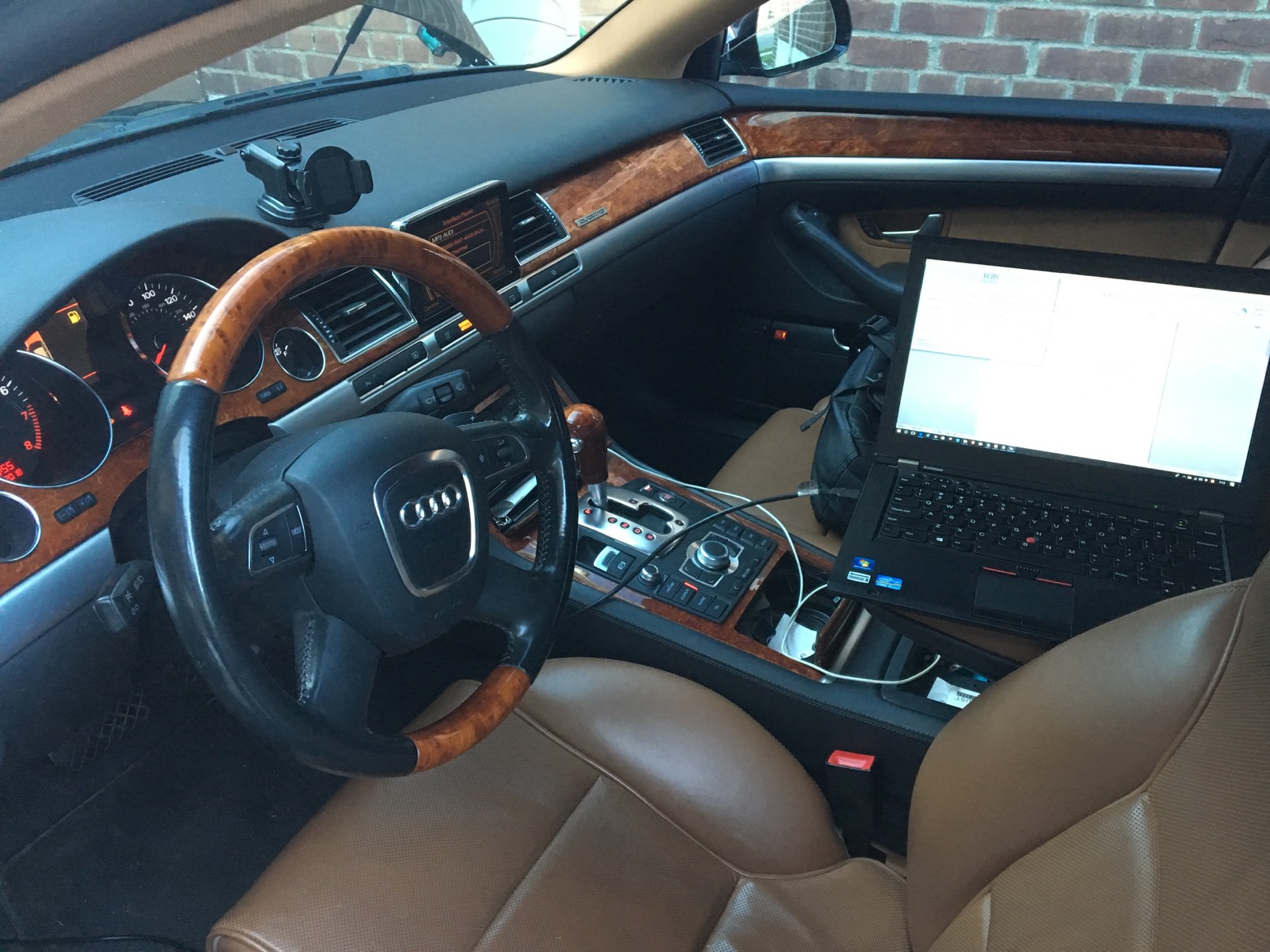
What is your system doing?
Search by symptom, equipment type, brand, or fault code.
Choose your system
Start with the problem in front of you
You do not need to know the failed part. Pick the system, describe what changed, and work through safe checks in the right order.
Home Cooling
Central AC, heat pumps, and mini-splits: not cooling, weak airflow, ice, water leaks, or an outdoor unit that will not run.
Explore home AC help →Home Heating
Furnaces, boilers, and heat pumps: no heat, short cycling, thermostat problems, circulation issues, and safety warning signs.
Explore heating help →Auto AC & Heat
Warm air, weak blower, poor cooling at idle, strange noises, fogging, and cabin heat problems—without guessing at refrigerant.
Explore auto climate help →
The first five minutes
A calm sequence beats random part swapping
Gas, smoke, electrical damage, alarms, and dangerous temperatures come first.
Central AC, heat pump, boiler, furnace, mini-split, or vehicle climate system.
What works, what does not, when it started, and whether it is intermittent.
Controls, power, filters, vents, visible ice, leaks, and unusual sounds or odors.
Continue DIY, gather better measurements, order a proven part, or call a pro.
Clear safety boundaries
Every guide will tell you how far to go
Green — Safe first checks
Observation, settings, accessible filters, breakers, batteries, visible obstructions, and other low-risk checks.
Yellow — Tools or experience
Electrical measurements, panels, moving parts, hot surfaces, and tests that require correct procedures and protective equipment.
Red — Stop and call
Gas or combustion hazards, refrigerant-circuit work, high voltage, serious leaks, smoke, arcing, and uncertain conditions.
Why iFixAuto
Professional diagnostic thinking, translated for real life
iFixAuto is built from hands-on HVAC troubleshooting: verify the symptom, understand the operating sequence, collect useful evidence, and replace only what the evidence supports. We are applying that discipline to the problems homeowners and drivers face during heat waves and cold snaps.
No miracle fixes. No automatic “just add refrigerant.” No pretending every problem is safe to DIY.
Professional HVAC Library
Our existing VRF, fault-code, sensor, wiring, and commercial HVAC material remains available for technicians and advanced readers.
iFixAuto provides educational troubleshooting information, not emergency response or a substitute for an on-site licensed professional. Regulations and permitted work vary by location.
About iFixAuto
Real diagnostic experience, explained clearly
iFixAuto brings hands-on HVAC and equipment troubleshooting into practical guidance for homeowners, drivers, technicians and commercial clients. Our approach is simple: verify the symptom, understand the operating sequence, collect useful evidence and replace only what the evidence supports.